Contact

Ressources

Bedeutung der PPWR

PPWR für FMCG Marken

PPWR for

FMCG Brands

Why is the PPWR relevant for FMCG brands?

The PPWR enters into force in 2026, with the first binding obligations applying from 2030. It aims to prevent waste, conserve resources, and accelerate the transition to a functioning circular economy.


FMCG brands are at the center of the PPWR, as they place large volumes of sales packaging on the market with their products.

The most important requirements and articles from the PPWR

Key requirements

Recyclability of packaging

By 2030 at least 70% recyclable

By 2038 at least 80% recyclable


Art. 6

Minimum recycled content in plastic packaging

From 2030, 10% to 35% recycled content depending on packaging type


Art. 7

Packaging minimization

Ab 2029 Reduzierung des Luftvolumens in Transport- (50 %) und Verkaufsverpackungen 


Art.10

Harmonized labeling and information obligations

From 2029, uniform EU label on material and DRS participation and digital data carrier


Art. 12

Bans on certain single-use plastic packaging

From 2030, ban on large plastic bundling packaging, miniature packaging, and packaging for on-site consumption.


Art. 25

Further requirements

Documentation and declaration of conformity

From 2026, obligation for a conformity assessment and technical documentation for all packaging placed on the market


Art. 15, 16, 18 & 19

Reuse quotas for transport packaging

From 2030, 40% (70% by 2040) reusable packaging for cross-border, nationally up to 100% (still to be finalized). From 2030, 10% to 40% for certain beverages


Art. 29

Registration in the EPR system

All packaging placed on the market must be registered


Art. 45

How can reuse and Sykell help FMCG brands meet these requirements?

  • Use reuse to bypass regulatory requirements for single-use packaging and avoid costly product line redesigns.
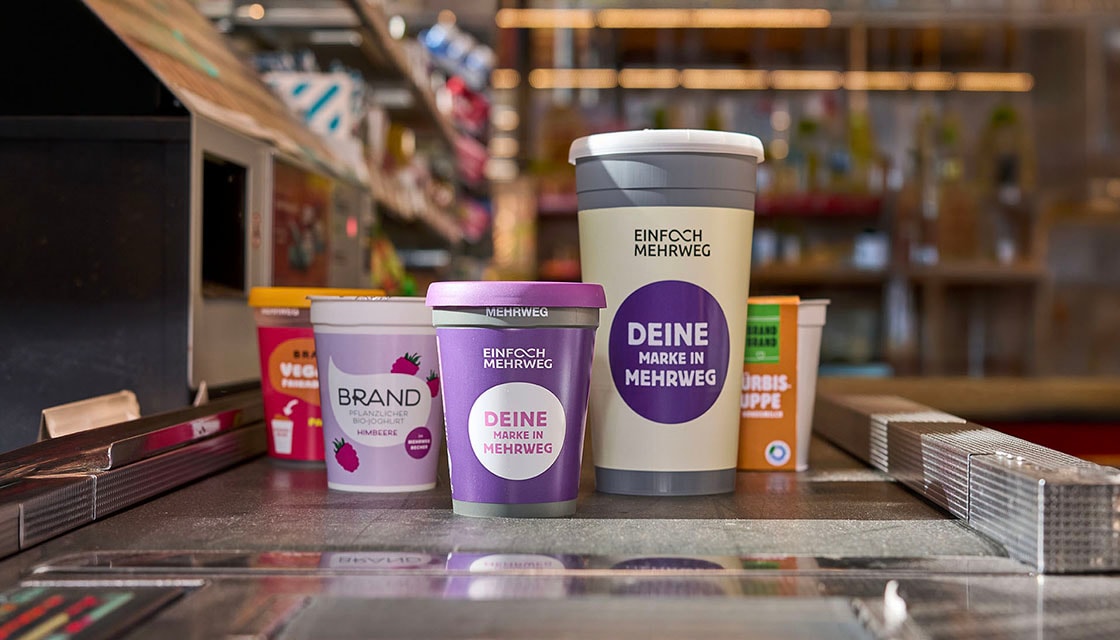
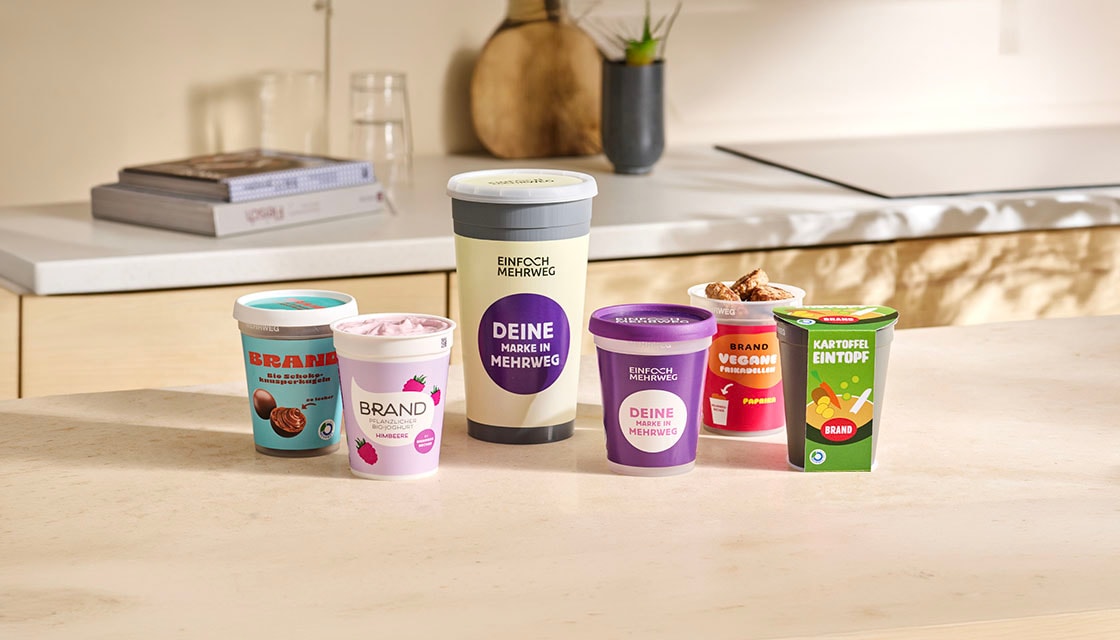
  • Sykell PREFILL meets all requirements when employed in a reuse system such as Einfach Mehrweg in Germany.

Have questions about the PPWR, upcoming secondary legislation, and our solutions?

Contact

Ressources

Bedeutung der PPWR

PPWR für FMCG Marken

PPWR for

FMCG Brands

Why is the PPWR relevant for FMCG brands?

The PPWR enters into force in 2026, with the first binding obligations applying from 2030. It aims to prevent waste, conserve resources, and accelerate the transition to a functioning circular economy.


FMCG brands are at the center of the PPWR, as they place large volumes of sales packaging on the market with their products.

The most important requirements and articles from the PPWR

Key requirements

Recyclability of packaging

By 2030 at least 70% recyclable

By 2038 at least 80% recyclable


Art. 6

Minimum recycled content in plastic packaging

From 2030, 10% to 35% recycled content depending on packaging type


Art. 7

Packaging minimization

Ab 2029 Reduzierung des Luftvolumens in Transport- (50 %) und Verkaufsverpackungen 


Art.10

Harmonized labeling and information obligations

From 2029, uniform EU label on material and DRS participation and digital data carrier


Art. 12

Bans on certain single-use plastic packaging

From 2030, ban on large plastic bundling packaging, miniature packaging, and packaging for on-site consumption.


Art. 25

Further requirements

Documentation and declaration of conformity

From 2026, obligation for a conformity assessment and technical documentation for all packaging placed on the market


Art. 15, 16, 18 & 19

Reuse quotas for transport packaging

From 2030, 40% (70% by 2040) reusable packaging for cross-border, nationally up to 100% (still to be finalized). From 2030, 10% to 40% for certain beverages


Art. 29

Registration in the EPR system

All packaging placed on the market must be registered


Art. 45

How can reuse and Sykell help FMCG brands meet these requirements?

  • Use reuse to bypass regulatory requirements for single-use packaging and avoid costly product line redesigns.
  • Sykell PREFILL meets all requirements when employed in a reuse system such as Einfach Mehrweg in Germany.

Have questions about the PPWR, upcoming secondary legislation, and our solutions?

Ressources

Bedeutung der PPWR

PPWR für FMCG Marken

PPWR for

FMCG Brands

Why is the PPWR relevant for FMCG brands?

The PPWR enters into force in 2026, with the first binding obligations applying from 2030. It aims to prevent waste, conserve resources, and accelerate the transition to a functioning circular economy.


FMCG brands are at the center of the PPWR, as they place large volumes of sales packaging on the market with their products.

The most important requirements and articles from the PPWR

Key requirements

Recyclability of packaging

By 2030 at least 70% recyclable

By 2038 at least 80% recyclable


Art. 6

Minimum recycled content in plastic packaging

From 2030, 10% to 35% recycled content depending on packaging type


Art. 7

Packaging minimization

Ab 2029 Reduzierung des Luftvolumens in Transport- (50 %) und Verkaufsverpackungen 


Art.10

Harmonized labeling and information obligations

From 2029, uniform EU label on material and DRS participation and digital data carrier


Art. 12

Bans on certain single-use plastic packaging

From 2030, ban on large plastic bundling packaging, miniature packaging, and packaging for on-site consumption.


Art. 25

Further requirements

Documentation and declaration of conformity

From 2026, obligation for a conformity assessment and technical documentation for all packaging placed on the market


Art. 15, 16, 18 & 19

Reuse quotas for transport packaging

From 2030, 40% (70% by 2040) reusable packaging for cross-border, nationally up to 100% (still to be finalized). From 2030, 10% to 40% for certain beverages


Art. 29

Registration in the EPR system

All packaging placed on the market must be registered


Art. 45

How can reuse and Sykell help FMCG brands meet these requirements?

  • Use reuse to bypass regulatory requirements for single-use packaging and avoid costly product line redesigns.
  • Sykell PREFILL meets all requirements when employed in a reuse system such as Einfach Mehrweg in Germany.

Have questions about the PPWR, upcoming secondary legislation, and our solutions?

Ressources

Bedeutung der PPWR

PPWR für FMCG Marken

PPWR for

FMCG Brands

Why is the PPWR relevant for FMCG brands?

The PPWR enters into force in 2026, with the first binding obligations applying from 2030. It aims to prevent waste, conserve resources, and accelerate the transition to a functioning circular economy.


FMCG brands are at the center of the PPWR, as they place large volumes of sales packaging on the market with their products.

The most important requirements and articles from the PPWR

Key requirements

Recyclability of packaging

By 2030 at least 70% recyclable

By 2038 at least 80% recyclable


Art. 6

Minimum recycled content in plastic packaging

From 2030, 10% to 35% recycled content depending on packaging type


Art. 7

Packaging minimization

From 2029, reduction of empty space in transport (50%) and sales packaging


Art. 10

Harmonized labeling and information obligations

From 2029, uniform EU label on material and DRS participation and digital data carrier


Art. 12

Bans on certain single-use plastic packaging

From 2030, ban on large plastic bundling packaging, miniature packaging, and packaging for on-site consumption.


Art. 25

Further requirements

Documentation and declaration of conformity

From 2026, obligation for a conformity assessment and technical documentation for all packaging placed on the market


Art. 15, 16, 18 & 19

Reuse quotas for transport packaging

From 2030, 40% (70% by 2040) reusable packaging for cross-border, nationally up to 100% (still to be finalized). From 2030, 10% to 40% for certain beverages


Art. 29

Registration in the EPR system

All packaging placed on the market must be registered


Art. 45

How can reuse and Sykell help FMCG brands meet these requirements?

  • Use reuse to bypass regulatory requirements for single-use packaging and avoid costly product line redesigns.
  • Sykell PREFILL meets all requirements when employed in a reuse system such as Einfach Mehrweg in Germany.

Have questions about the PPWR, upcoming secondary legislation, and our solutions?