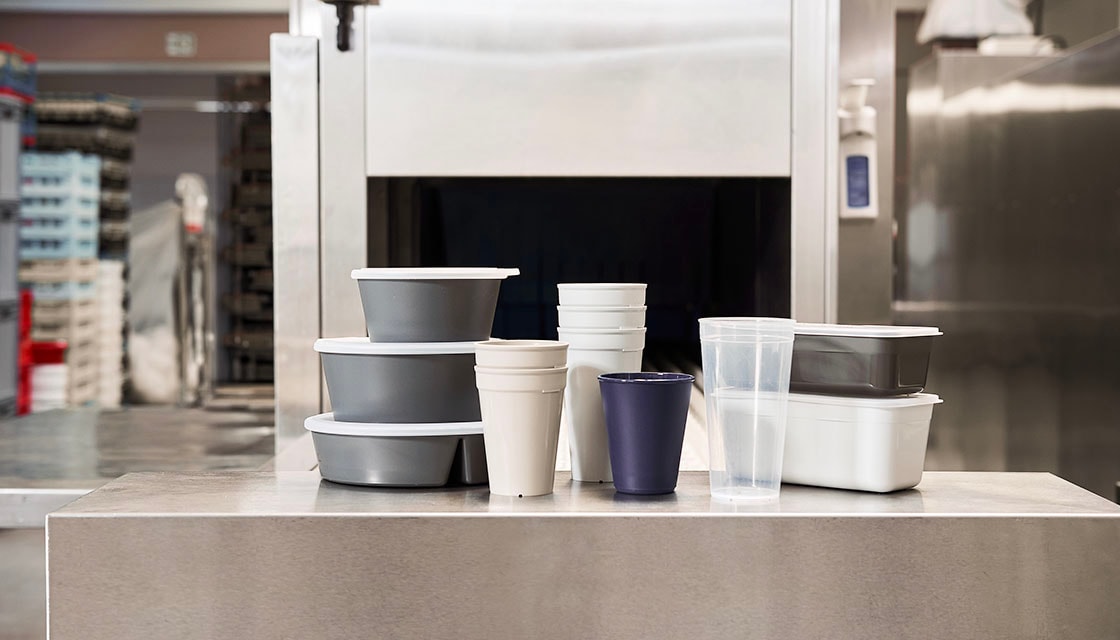
What type of container?
Only cups or also bowls, pre-packaged items or even integration of multiple systems?


Contact


Return networks must be practical and integratable into daily routines. After return, simple and efficient reverse logistics processes are needed for collection points to keep operational effort as low as possible.
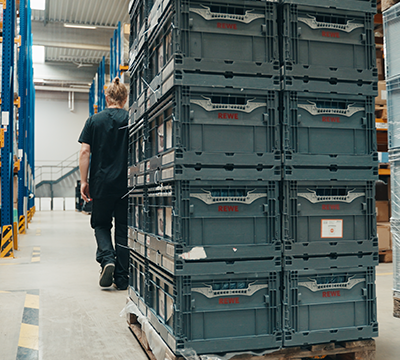
The decisive cost driver in the COLLECT value space is empties consolidation. The goal is full pallets and fully loaded trucks that drive down the reverse logistics unit cost.
From a cost perspective, standardisation is preferred and deviations should be minimised. While some materials like glass require high protection, necessitating the use of crates, other materials such as plastic can be nested, collected in larger containers to keep on-site space small and processes simple.
To define system requirements for collection processes and data capture, several questions in the COLLECT value space must be answered. For example for plastic-based food packaging:
Only cups or also bowls, pre-packaged items or even integration of multiple systems?
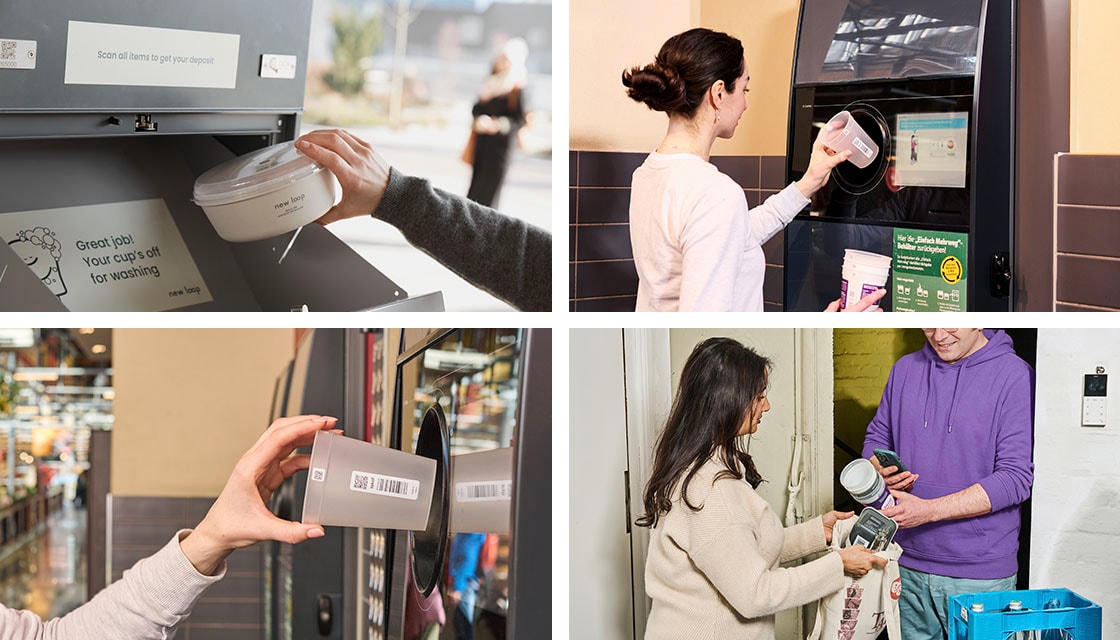
At the deposit machine, at the cash register, in public spaces or even at delivery services?
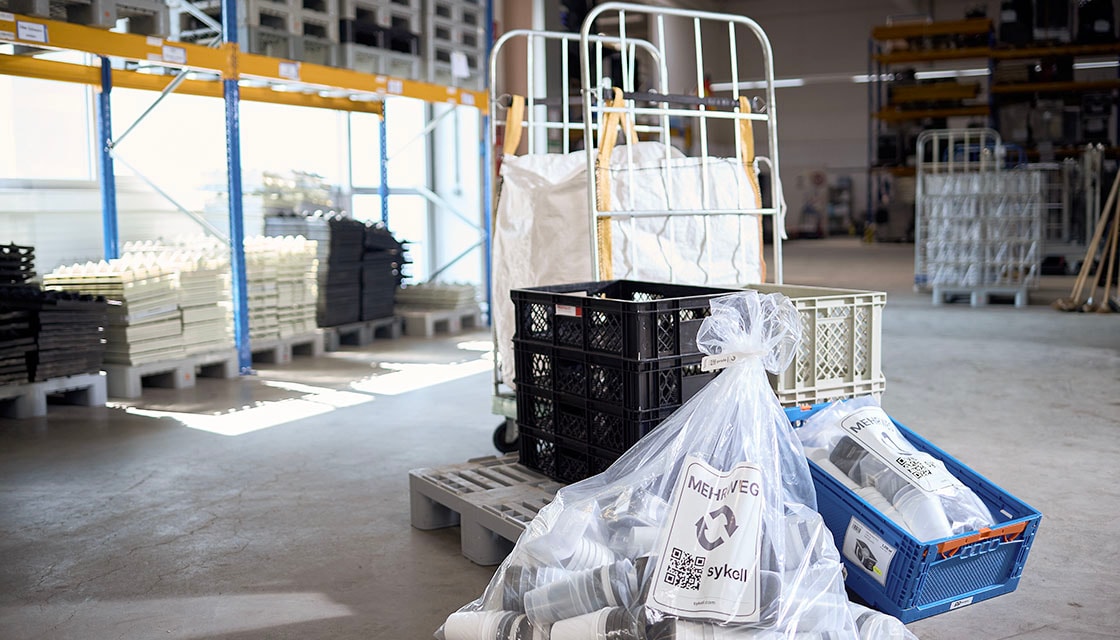
In bags, in crates, in collection boxes, in interim or regional warehouses?
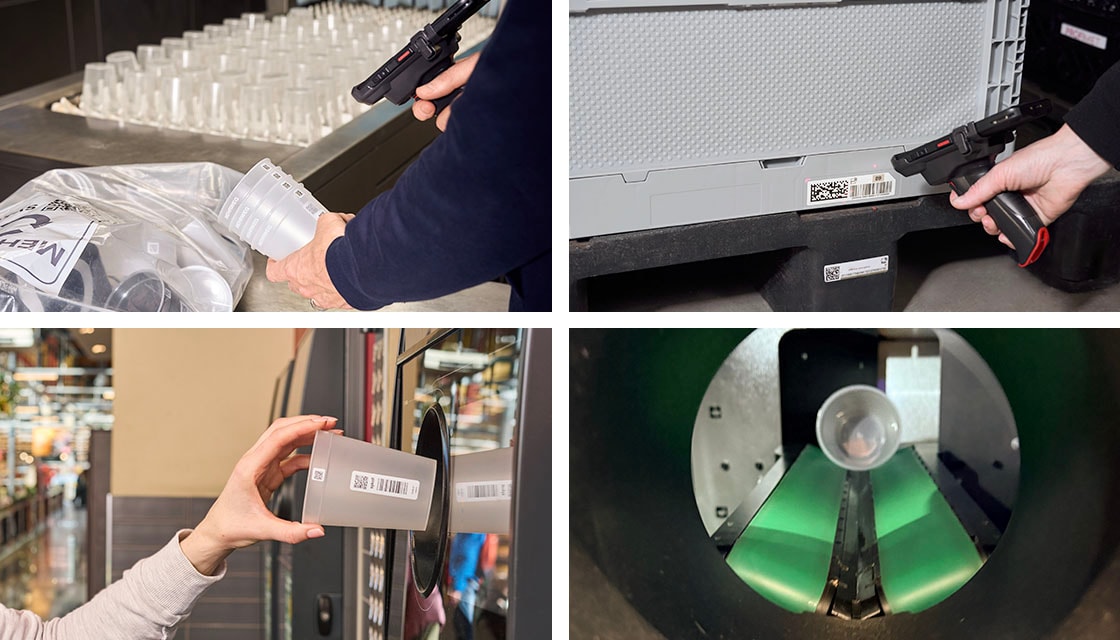
Which data standard is scanned how and where?
System administration and reverse logistics must be accessible, practical and volume-oriented:
Simple return and deposit handling as learned from the beverage industry
Simple pre-sorting, data capture and deposit handling
Maximising units per pallet, high volume equals low costs.

Contact
Return networks must be practical and integratable into daily routines. After return, simple and efficient reverse logistics processes are needed for collection points to keep operational effort as low as possible.
The decisive cost driver in the COLLECT value space is empties consolidation. The goal is full pallets and fully loaded trucks that drive down the reverse logistics unit cost.
From a cost perspective, standardisation is preferred and deviations should be minimised. While some materials like glass require high protection, necessitating the use of crates, other materials such as plastic can be nested, collected in larger containers to keep on-site space small and processes simple.
To define system requirements for collection processes and data capture, several questions in the COLLECT value space must be answered. For example for plastic-based food packaging:
Only cups or also bowls, pre-packaged items or even integration of multiple systems?
At the deposit machine, at the cash register, in public spaces or even at delivery services?
In bags, in crates, in collection boxes, in interim or regional warehouses?
Which data standard is scanned how and where?
System administration and reverse logistics must be accessible, practical and volume-oriented:
Simple return and deposit handling as learned from the beverage industry
Simple pre-sorting, data capture and deposit handling
Maximising units per pallet, high volume equals low costs.


EN
Contact

Return networks must be practical and integratable into daily routines. After return, simple and efficient reverse logistics processes are needed for collection points to keep operational effort as low as possible.
The decisive cost driver in the COLLECT value space is empties consolidation. The goal is full pallets and fully loaded trucks that drive down the reverse logistics unit cost.
From a cost perspective, standardisation is preferred and deviations should be minimised. While some materials like glass require high protection, necessitating the use of crates, other materials such as plastic can be nested, collected in larger containers to keep on-site space small and processes simple.
To define system requirements for collection processes and data capture, several questions in the COLLECT value space must be answered. For example for plastic-based food packaging:
Only cups or also bowls, pre-packaged items or even integration of multiple systems?
At the deposit machine, at the cash register, in public spaces or even at delivery services?
In bags, in crates, in collection boxes, in interim or regional warehouses?
Which data standard is scanned how and where?
System administration and reverse logistics must be accessible, practical and volume-oriented:
Simple return and deposit handling as learned from the beverage industry
Simple pre-sorting, data capture and deposit handling
Maximising units per pallet, high volume equals low costs.

EN
Contact

Return networks must be practical and integratable into daily routines. After return, simple and efficient reverse logistics processes are needed for collection points to keep operational effort as low as possible.
The decisive cost driver in the COLLECT value space is empties consolidation. The goal is full pallets and fully loaded trucks that drive down the reverse logistics unit cost.
From a cost perspective, standardisation is preferred and deviations should be minimised. While some materials like glass require high protection, necessitating the use of crates, other materials such as plastic can be nested, collected in larger containers to keep on-site space small and processes simple.
To define system requirements for collection processes and data capture, several questions in the COLLECT value space must be answered. For example for plastic-based food packaging:
Only cups or also bowls, pre-packaged items or even integration of multiple systems?
At the deposit machine, at the cash register, in public spaces or even at delivery services?
In bags, in crates, in collection boxes, in interim or regional warehouses?
Which data standard is scanned how and where?
System administration and reverse logistics must be accessible, practical and volume-oriented:
Simple return and deposit handling as learned from the beverage industry
Simple pre-sorting, data capture and deposit handling
Maximising units per pallet, high volume equals low costs.