REUSE
Packaging meets requirements to fill, move, sell and use with their product categories in mind


Contact

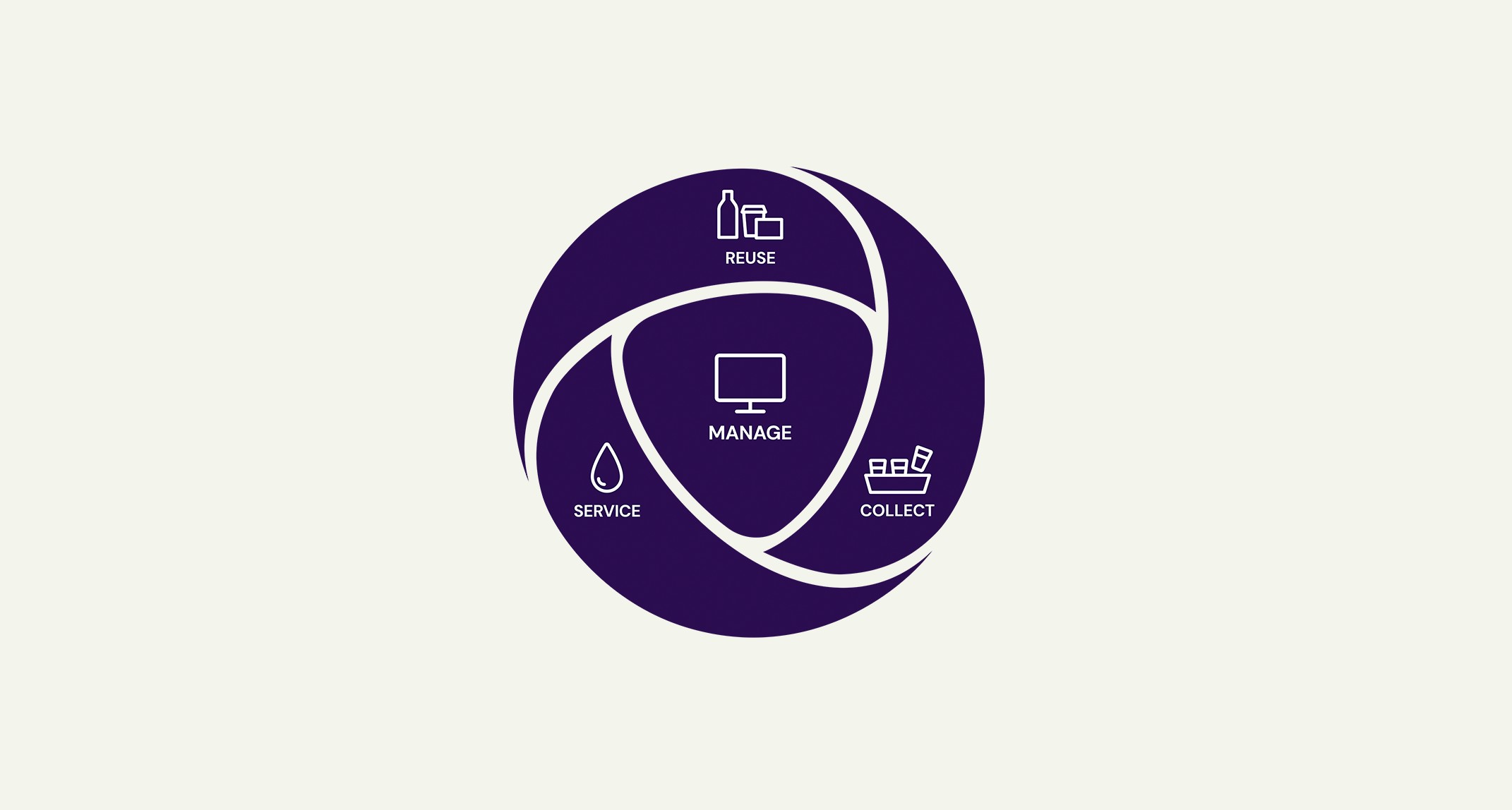
for designing, evaluating and optimising systematic reuse systems
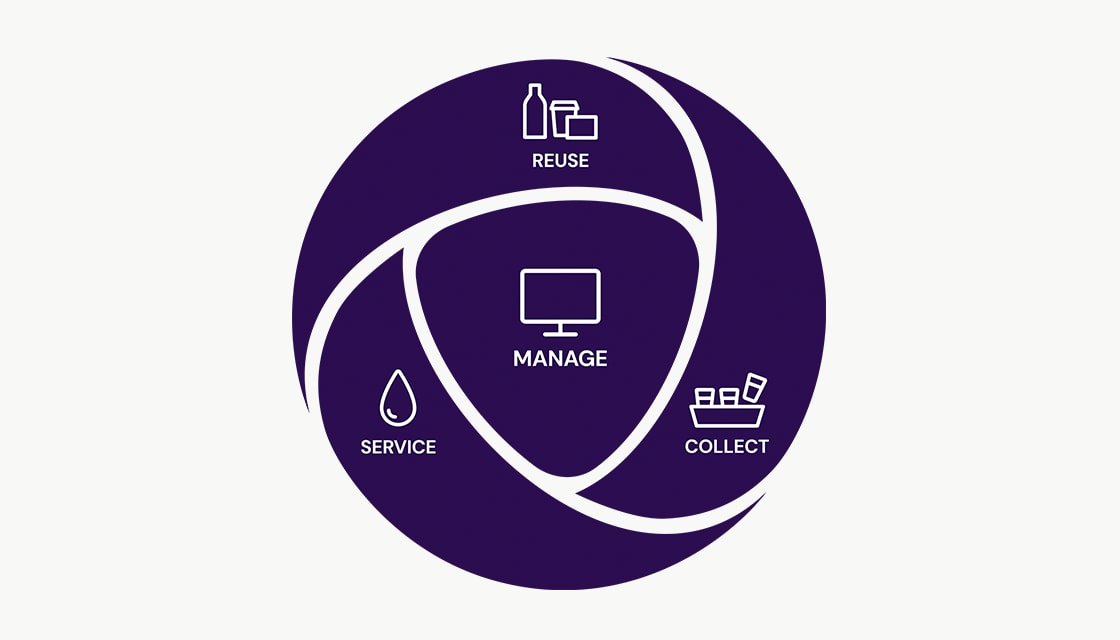
To illustrate the value chain in reusable systems, we at Sykell have developed the Operating Model for systematic reuse.
The Operating Model consists of four value spaces that interact with one another: REUSE, COLLECT, SERVICE, and MANAGE.
This model enables the universal design of systems for product reuse. It highlights the necessary integration of processes throughout the cycle and helps identify weaknesses in system design.
Packaging meets requirements to fill, move, sell and use with their product categories in mind
Convenient collection and reverse logistics processes
Pool care through sorting, cleaning and end-of-life recycling
Governance and administration with minimal effort by automating circular workflows

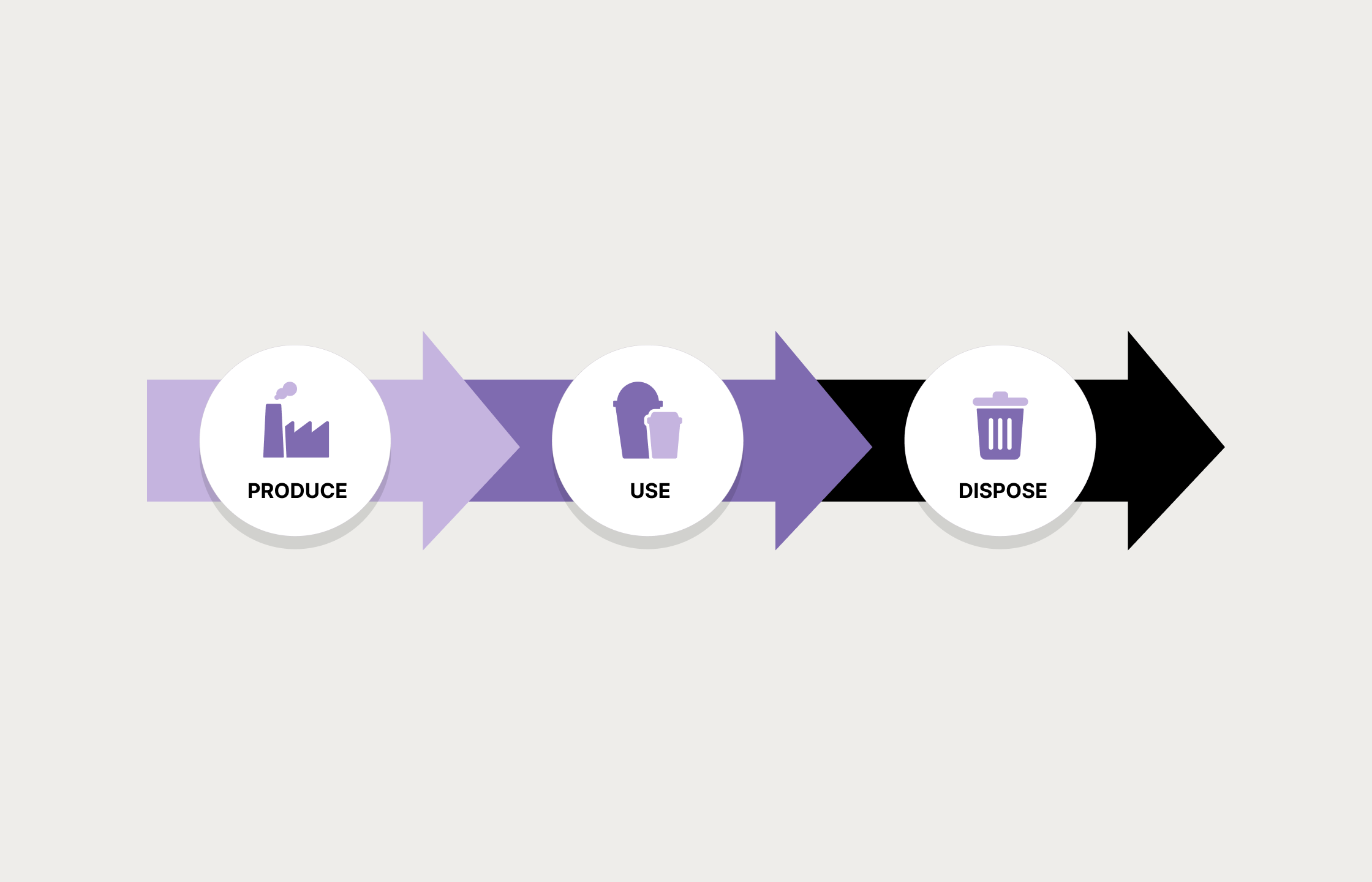
Make, use, throw away—that’s the disposable model. A wide variety of materials, additives, and dyes are used in the production of packaging.
This makes it nearly impossible to sort and recycle packaging in a cost-effective manner during disposal. It is produced in enormous quantities and used for only a very short time.
As a result, not only is the waste problem growing, but so too are resource consumption and the amount of greenhouse gases that contribute to climate change.
Single-use recycling usually means downcycling. This is because only a fraction of the material used can be reused in an equivalent form.
The exceptions are PET beverage bottles and aluminum beverage cans with a deposit: The deposit incentivizes return, and the material is standardized. After use, it can be recycled for packaging new beverages in a manner that complies with food safety standards.
These exact conditions are found in holistically designed reusable systems. As a result, reusable packaging systems offer excellent conditions for end-of-life recycling of sorted out packaging.
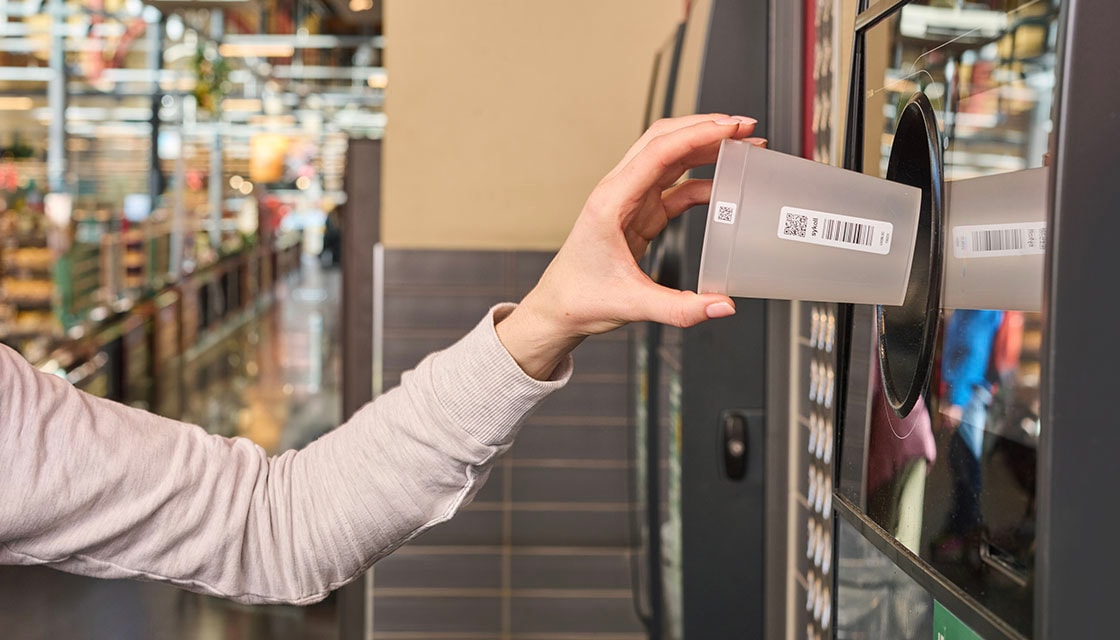
In reusable systems, packaging is not discarded immediately after a single use. The containers are returned, cleaned, and reused as often as possible. This makes reusable packaging a central component of the circular economy.
Only when a reusable container reaches the end of its life, whether it is worn out, damaged, or no longer reusable for other reasons, is it sorted and recycled into equivalent materials. A new prodcut is then created.
Reusable systems reach their full potential when large numbers of items are in circulation and are reused many times. This creates a more economical and environmentally friendly cycle.
For this to happen, many people need to participate. To achieve this, reusable systems must be one thing above all else: simple.
The easier it is for consumers to obtain and return reusable products, the better they can change their behavior and develop new daily routines.
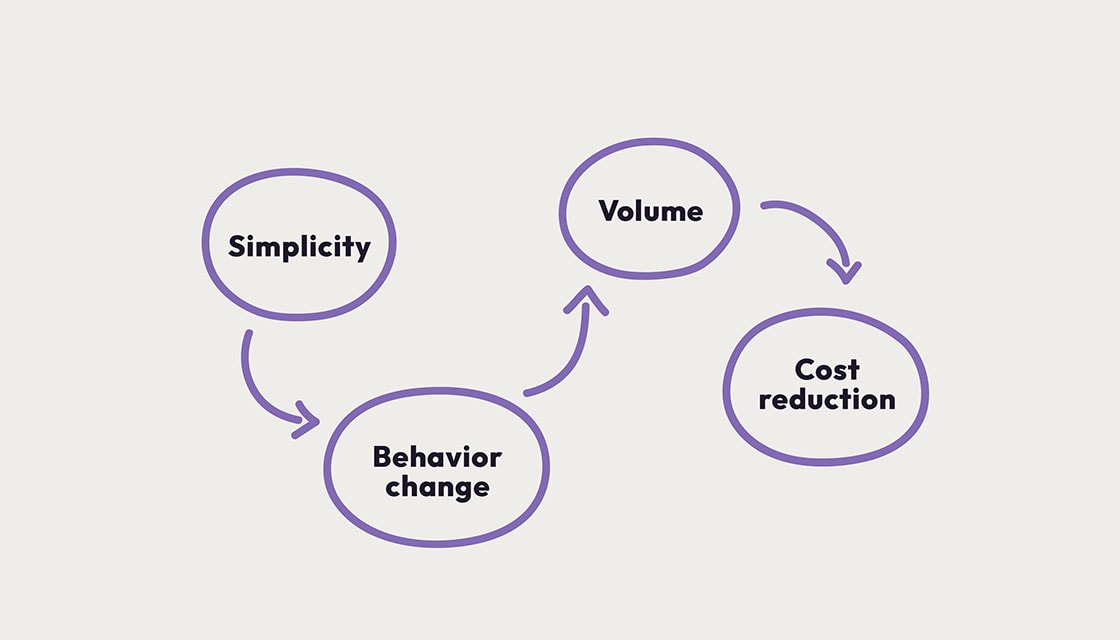
To scale new reusable packaging systems, it is essential that packaging is compatible with all value spaces, thereby enabling high return rates and low operating costs. If one of these value spaces is neglected, the reusable packaging system will perform suboptimally, shift costs from one value space to another or, in the worst case, cause the system to fail altogether.
Contact
for designing, evaluating and optimising systematic reuse systems
To illustrate the value chain in reusable systems, we at Sykell have developed the Operating Model for systematic reuse.
The Operating Model consists of four value spaces that interact with one another: REUSE, COLLECT, SERVICE, and MANAGE.
This model enables the universal design of systems for product reuse. It highlights the necessary integration of processes throughout the cycle and helps identify weaknesses in system design.
Packaging meets requirements to fill, move, sell and use with their product categories in mind
Convenient collection and reverse logistics processes
Pool care through sorting, cleaning and end-of-life recycling
Governance and administration with minimal effort by automating circular workflows

Make, use, throw away—that’s the disposable model. A wide variety of materials, additives, and dyes are used in the production of packaging.
This makes it nearly impossible to sort and recycle packaging in a cost-effective manner during disposal. It is produced in enormous quantities and used for only a very short time.
As a result, not only is the waste problem growing, but so too are resource consumption and the amount of greenhouse gases that contribute to climate change.
Single-use recycling usually means downcycling. This is because only a fraction of the material used can be reused in an equivalent form.
The exceptions are PET beverage bottles and aluminum beverage cans with a deposit: The deposit incentivizes return, and the material is standardized. After use, it can be recycled for packaging new beverages in a manner that complies with food safety standards.
These exact conditions are found in holistically designed reusable systems. As a result, reusable packaging systems offer excellent conditions for end-of-life recycling of sorted out packaging.
In reusable systems, packaging is not discarded immediately after a single use. The containers are returned, cleaned, and reused as often as possible. This makes reusable packaging a central component of the circular economy.
Only when a reusable container reaches the end of its life, whether it is worn out, damaged, or no longer reusable for other reasons, is it sorted and recycled into equivalent materials. A new prodcut is then created.
Reusable systems reach their full potential when large numbers of items are in circulation and are reused many times. This creates a more economical and environmentally friendly cycle.
For this to happen, many people need to participate. To achieve this, reusable systems must be one thing above all else: simple.
The easier it is for consumers to obtain and return reusable products, the better they can change their behavior and develop new daily routines.
To scale new reusable packaging systems, it is essential that packaging is compatible with all value spaces, thereby enabling high return rates and low operating costs. If one of these value spaces is neglected, the reusable packaging system will perform suboptimally, shift costs from one value space to another or, in the worst case, cause the system to fail altogether.


EN
Contact
for designing, evaluating and optimising systematic reuse systems
To illustrate the value chain in reusable systems, we at Sykell have developed the Operating Model for systematic reuse.
The Operating Model consists of four value spaces that interact with one another: REUSE, COLLECT, SERVICE, and MANAGE.
This model enables the universal design of systems for product reuse. It highlights the necessary integration of processes throughout the cycle and helps identify weaknesses in system design.
Packaging meets requirements to fill, move, sell and use with their product categories in mind
Convenient collection and reverse logistics processes
Pool care through sorting, cleaning and end-of-life recycling
Governance and administration with minimal effort by automating circular workflows

Make, use, throw away—that’s the disposable model. A wide variety of materials, additives, and dyes are used in the production of packaging.
This makes it nearly impossible to sort and recycle packaging in a cost-effective manner during disposal. It is produced in enormous quantities and used for only a very short time.
As a result, not only is the waste problem growing, but so too are resource consumption and the amount of greenhouse gases that contribute to climate change.
Single-use recycling usually means downcycling. This is because only a fraction of the material used can be reused in an equivalent form.
The exceptions are PET beverage bottles and aluminum beverage cans with a deposit: The deposit incentivizes return, and the material is standardized. After use, it can be recycled for packaging new beverages in a manner that complies with food safety standards.
These exact conditions are found in holistically designed reusable systems. As a result, reusable packaging systems offer excellent conditions for end-of-life recycling of sorted out packaging.
In reusable systems, packaging is not discarded immediately after a single use. The containers are returned, cleaned, and reused as often as possible. This makes reusable packaging a central component of the circular economy.
Only when a reusable container reaches the end of its life, whether it is worn out, damaged, or no longer reusable for other reasons, is it sorted and recycled into equivalent materials. A new prodcut is then created.
Reusable systems reach their full potential when large numbers of items are in circulation and are reused many times. This creates a more economical and environmentally friendly cycle.
For this to happen, many people need to participate. To achieve this, reusable systems must be one thing above all else: simple.
The easier it is for consumers to obtain and return reusable products, the better they can change their behavior and develop new daily routines.
To scale new reusable packaging systems, it is essential that packaging is compatible with all value spaces, thereby enabling high return rates and low operating costs. If one of these value spaces is neglected, the reusable packaging system will perform suboptimally, shift costs from one value space to another or, in the worst case, cause the system to fail altogether.
EN
Contact
for designing, evaluating and optimising systematic reuse systems
To illustrate the value chain in reusable systems, we at Sykell have developed the Operating Model for systematic reuse.
The Operating Model consists of four value spaces that interact with one another: REUSE, COLLECT, SERVICE, and MANAGE.
This model enables the universal design of systems for product reuse. It highlights the necessary integration of processes throughout the cycle and helps identify weaknesses in system design.
Packaging meets requirements to fill, move, sell and use with their product categories in mind
Convenient collection and reverse logistics processes
Pool care through sorting, cleaning and end-of-life recycling
Governance and administration with minimal effort by automating circular workflows

Make, use, throw away—that’s the disposable model. A wide variety of materials, additives, and dyes are used in the production of packaging.
This makes it nearly impossible to sort and recycle packaging in a cost-effective manner during disposal. It is produced in enormous quantities and used for only a very short time.
As a result, not only is the waste problem growing, but so too are resource consumption and the amount of greenhouse gases that contribute to climate change.
Single-use recycling usually means downcycling. This is because only a fraction of the material used can be reused in an equivalent form.
The exceptions are PET beverage bottles and aluminum beverage cans with a deposit: The deposit incentivizes return, and the material is standardized. After use, it can be recycled for packaging new beverages in a manner that complies with food safety standards.
These exact conditions are found in holistically designed reusable systems. As a result, reusable packaging systems offer excellent conditions for end-of-life recycling of sorted out packaging.
In reusable systems, packaging is not discarded immediately after a single use. The containers are returned, cleaned, and reused as often as possible. This makes reusable packaging a central component of the circular economy.
Only when a reusable container reaches the end of its life, whether it is worn out, damaged, or no longer reusable for other reasons, is it sorted and recycled into equivalent materials. A new prodcut is then created.
Reusable systems reach their full potential when large numbers of items are in circulation and are reused many times. This creates a more economical and environmentally friendly cycle.
For this to happen, many people need to participate. To achieve this, reusable systems must be one thing above all else: simple.
The easier it is for consumers to obtain and return reusable products, the better they can change their behavior and develop new daily routines.
To scale new reusable packaging systems, it is essential that packaging is compatible with all value spaces, thereby enabling high return rates and low operating costs. If one of these value spaces is neglected, the reusable packaging system will perform suboptimally, shift costs from one value space to another or, in the worst case, cause the system to fail altogether.